

Malawi’s China export ambitions facing production challenges
Details have emerged that Malawi’s efforts to boost exports to China under the zero-tariff arrangement could be undermined by high production costs, inadequate financing, and limited capacity among local businesses to meet international market requirements.
The National Smallholder Farmers’ Association of Malawi (NASFAM) and the Malawi Confederation of Chambers of Commerce and Industry (MCCCI) say improving productivity, product quality and competitiveness is critical for the country to maximise the benefits of preferential access to the Chinese market.
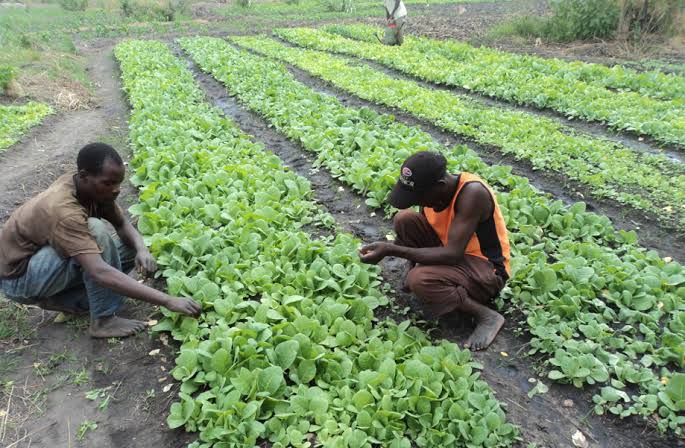
“High input costs also affect farmers, leading them to access inadequate quantities, which limits their ability to achieve high yields and the quality that would have been expected,” said NASFAM Head of Business and Marketing Development, Felix Sichali.
He said high interest rates and limited access to affordable financing were preventing farmers from purchasing adequate quantities of certified seeds, fertiliser and other essential inputs, while foreign currency shortages were restricting access to imported agricultural equipment.
He also cited adverse weather conditions, inadequate knowledge of international quality and safety standards, poor post-harvest handling and limited storage facilities as challenges affecting export readiness.
Sichali called on government to establish independent development banks or financing funds offering affordable loans to farmers, while strengthening agricultural research, production training and extension services.
MCCCI Director of Business Environment, Policy and Advocacy, Lucky Mfungwe, said China offered Malawi an opportunity to diversify its export markets and products, with macadamia nuts, soya beans and groundnuts identified by the International Trade Centre as having significant untapped potential.
However, he said tariff removal alone would not guarantee increased exports without improvements in production volumes, quality, processing efficiency, transportation and overall business costs.
Mfungwe urged government and the private sector to work together by improving the business environment, infrastructure and regulations, while encouraging businesses to invest in productive capacity, innovation, value addition and market development.
Ministry of Industrialisation, Business, Trade and Tourism (MoIBTT) Spokesperson, Patrick Botha, also emphasised the need to strengthen production and diversify export markets to improve Malawi’s participation in international trade.
China introduced zero-tariff treatment across 100 percent of tariff lines for eligible least-developed countries, including Malawi, on December 1, 2024, creating an opportunity to increase exports and foreign exchange earnings.