


80% of Chancellor College students at University of Malawi use Zimbuzi Zokumba
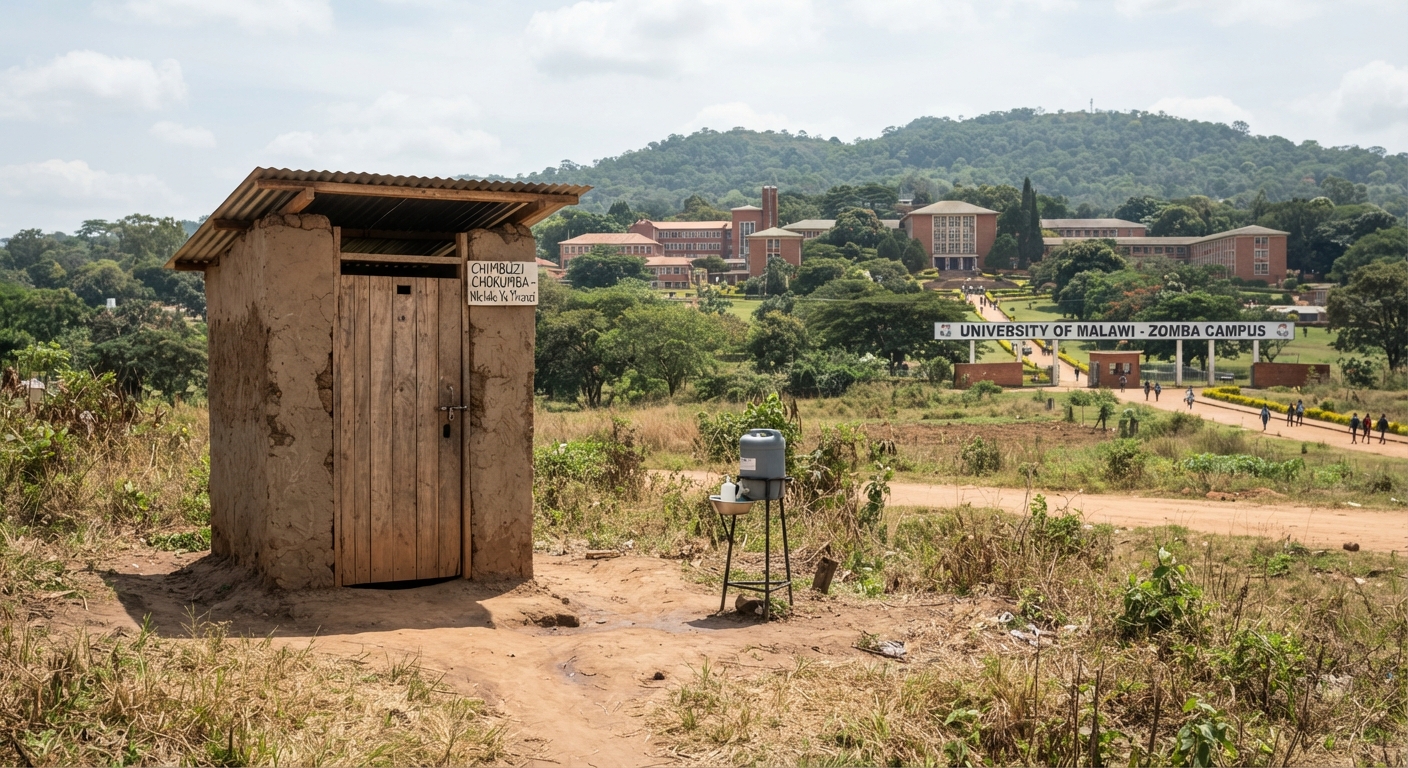
Nearly eight in ten Chancellor College students living in Chikanda and other off-campus settlements are using pit latrines known locally as zimbuzi zokumba, according to a new student led survey, highlighting a deepening sanitation crisis fueled by the University of Malawi’s chronic accommodation shortage.
The survey, conducted by the Chancellor College Students Representative Council alongside environmental health students, found that approximately 800 percent of the estimated 8,000 students residing in Chikanda and surrounding informal settlements depend on basic dug latrines rather than flush toilets or improved sanitation facilities. The findings underscore the public health risks facing a student population that has outgrown the college’s on-campus housing capacity by a wide margin.
University of Malawi officials acknowledge the scale of the problem. The institution enrolls more than 10,000 students but offers only about 1,200 on campus bed spaces, pushing the vast majority into private rentals concentrated in Chikanda, a densely populated settlement adjacent to the college. The university’s own accommodation guidance lists Chikanda as one of the primary neighborhoods where students seek private housing.
“The root cause is the shortage of hostels on campus,” UNIMA Director of Students Welfare Christopher Mkolongo said in earlier reporting on the housing crisis. “This allows landlords to charge prices they want because students have no option”.
That lack of options extends to sanitation. Chikanda developed organically as an informal settlement with limited planning oversight, and many of the converted residential properties that now house students were never designed for high occupancy use.
A 2026 analysis of the area described Chikanda as “a densely populated settlement with no discernible planning,” noting its proximity to a sewage treatment plant and a stream used as a dumping site. More recent student led mapping projects have flagged clean water supply and proper sanitation as among the area’s most pressing social issues.
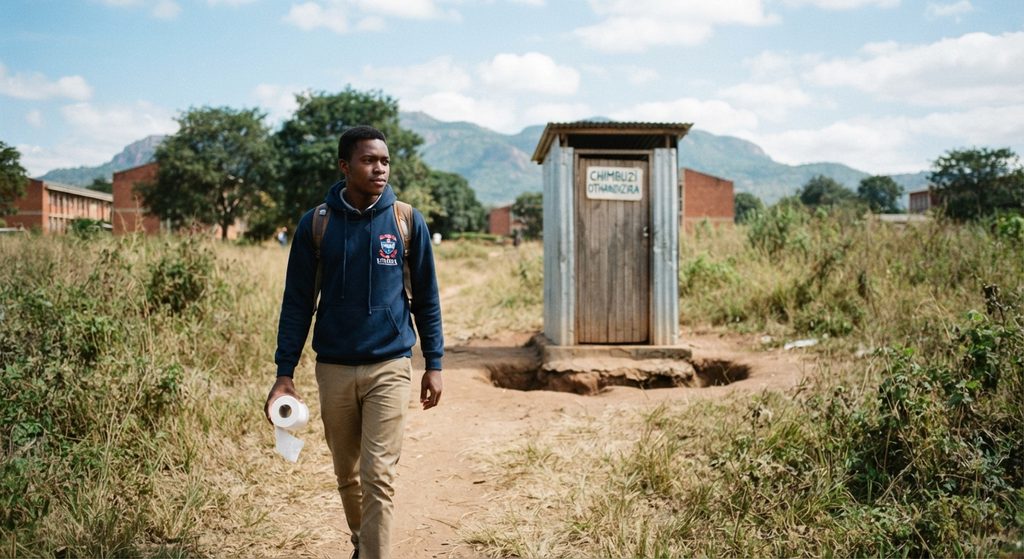
Students describe daily compromises that affect both health and dignity. “The room is extremely small. I put my things under the bed just to create walking space,” fourth-year student Memory Chikwakwa said of her Chikanda accommodation, where monthly rents now range between K75,000 and K120,000 more than double the K35,000 charged for on-campus rooms.
The sanitation findings align with broader concerns about off-campus living conditions. Female students have reported safety concerns and harassment while walking to and from campus, particularly at night. Zomba City Mayor has previously discussed engaging local chiefs in Chikanda to improve hostel standards.
University administrators say plans for additional hostels exist but remain unfunded. “We have the plans ready, but finances remain a limiting factor,” said UNIMA Director of Student Affairs Jonas Mwaseteza. Until those plans materialize, thousands of students will continue to rely on Chikanda’s landlords and its pit latrines.
The Students Representative Council has called on the university and Zomba City Council to conduct joint inspections of off-campus hostels and establish minimum sanitation standards before the next academic intake.