


CONFIRMED: Condom distribution declines at Mulhakho
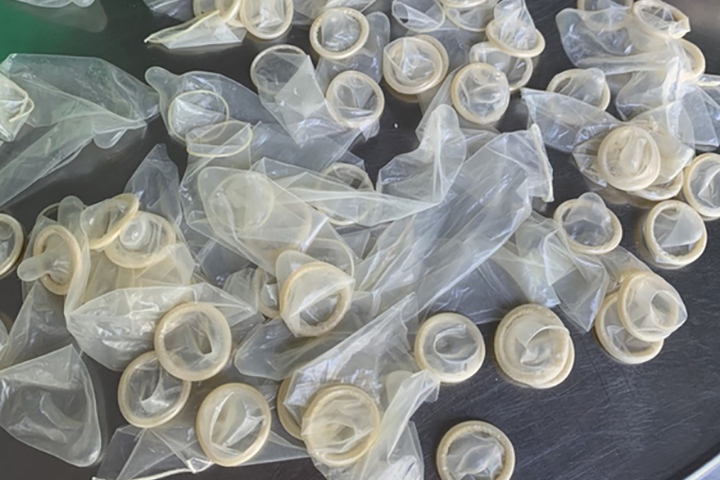
Condom distribution at this year’s Mulhakho wa Alhomwe cultural festival in Mulanje has declined by nearly 30 per cent, with health authorities distributing just over 113,000 male condoms compared to more than 160,000 during last year’s three-day event.
The decline represents approximately 47,000 fewer condoms distributed at the annual cultural gathering, raising questions about condom demand and uptake among festival participants.However, the figures alone do not establish that condom use has declined in Mulanje or across Malawi, as the number of condoms distributed at a single event may be influenced by several factors, including attendance, availability of supplies, distribution strategies and demand.
Madalitso Katamba, District Condom Programme Coordinator, has described this year’s condom uptake as satisfactory, emphasising the importance of condoms in preventing sexually transmitted infections (STIs), including HIV.
The Mulhakho wa Alhomwe cultural festival is held every October at Chonde headquarters in Mulanje District, attracting people who gather to celebrate Lhomwe culture and traditions.
Despite public health campaigns promoting condom use, some people continue to avoid condoms for various reasons, including concerns about reduced sexual pleasure, cultural and religious beliefs, misconceptions about their safety, and trust between sexual partners.
In some relationships, suggesting condom use may be interpreted as a sign of mistrust or suspicion of infidelity. Others may avoid condoms because they want children, while embarrassment and difficulties accessing condoms can also discourage their use.
Social pressure, misinformation and alcohol consumption may further influence decisions about condom use, particularly in social settings where sexual activity may occur.
Nevertheless, these factors are possible explanations for condom avoidance and should not be taken as established reasons for the decline recorded at this year’s festival.
To determine whether condom use is genuinely declining, health authorities would need to examine broader evidence, including condom distribution figures from health facilities and other public events, condom sales, and surveys on sexual behaviour.
The figures from Mulhakho wa Alhomwe provide a comparison between two years at the same event, but they do not show whether people are using fewer condoms overall or obtaining them from other sources.
Health authorities and public health stakeholders may therefore need to investigate the reasons behind the lower distribution figures and continue promoting accurate information about condom use and STI prevention.